Each year, the Day provides a shared platform to recognize progress, highlight the work of countries and communities, and build support for the action still needed to reach the global targets for 2030
17 November 2026
Together We Can Eliminate Cervical Cancer.
From 2026 through 2030, this shared call will carry the global movement forward. It recognizes the progress already underway and the collective effort needed to ensure that progress reaches women and girls everywhere.
Through 2030, the campaign will make this work visible and maintain attention on the actions needed to reach the global targets.
World Cervical Cancer Elimination Day carries forward a historic global commitment.
On 17 November 2020, 194 countries adopted the WHO Global Strategy to accelerate the elimination of cervical cancer as a public health problem marking the first time the world had committed to eliminate a cancer.
In 2025, WHO Member States established 17 November as World Cervical Cancer Elimination Day, the first official world health day dedicated to eliminating a cancer.
Women should not continue to die from a disease that can be prevented, detected early, and treated when effective tools are available.
What matters now is taking what we know works to scale and ensuring it reaches women and girls everywhere.
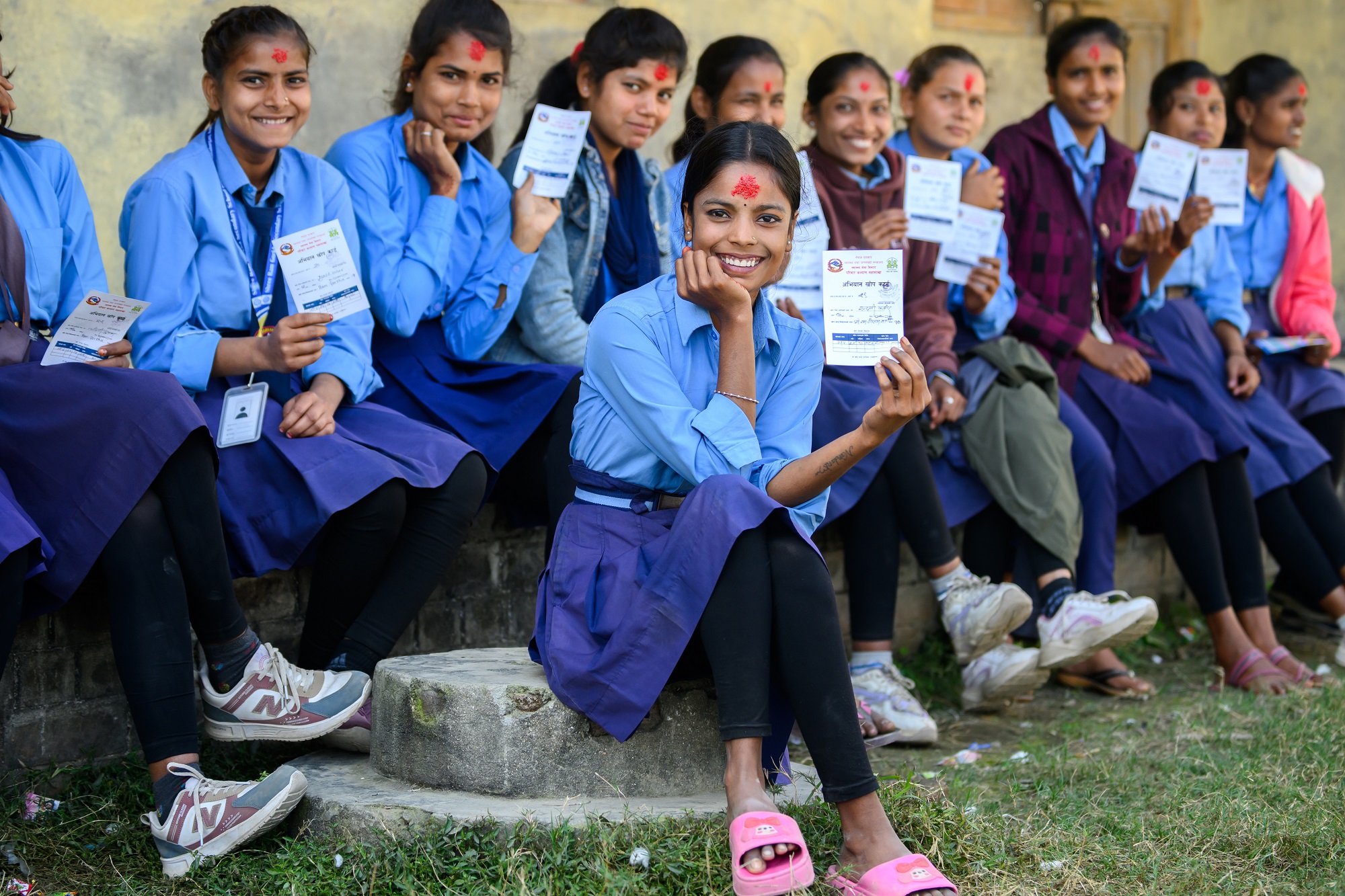
That means protecting girls through HPV vaccination, reaching women with high-performance screening, treating precancer early and ensuring women diagnosed with cervical cancer can access appropriate treatment and care.
Where someone lives, how much they earn, whether they are living with HIV, living with a disability, or experiencing exclusion, should not determine whether they can access prevention, screening and care.
Elimination depends on the systems that make services possible: supported health workers, reliable supplies, effective referral and follow-up, sustainable financing, and data to show where progress is happening and where more action is needed.
Investing in these foundations can save lives, sustain progress and help more women and girls benefit from stronger health systems over time.
Governments can lead, but eliminating cervical cancer also depends on health workers, women and communities, advocates, researchers, civil society and partners each bringing their strengths to the same goal.
When we work together around country priorities and the 90–70–90 targets, commitments can turn into measurable progress towards elimination.
Mark 17 November in a way that reflects your context — organize or join an activity, share trusted information, highlight progress, or add your voice to the question: What will it take to eliminate cervical cancer?
Planning an activity? Share your plans so they can be connected to the wider campaign and potentially highlighted through campaign channels.
Use #EndCervicalCancer to connect your activity with the campaign.
What information helps women decide to get screened for cervical cancer and continue to treatment and care?
WHO and Healthcare Information For All are inviting people around the world to share how information, misinformation and perceptions influence these decisions. Insights will be brought together in a report and shared through a webinar in November.