
ULAANBAATAR, 3 November 2026 – Mongolia brought together high-level government leaders and key stakeholders to advance coordinated efforts towards a clean household energy transition.
The National Forum on a Stepwise Approach to Phasing Out Household Coal Use was jointly led by the Ministries of Health; Environment and Climate Change; Urban Development, Construction and Housing; and Energy, and the Governor’s Office of the Capital City, with support from the World Health Organization (WHO).
At the Forum, the ministries, together with WHO, the United Nations Development Programme (UNDP) and the United Nations Children's Fund (UNICEF), launched the Call for Action for Clean Energy for Health, mobilizing coordinated action to accelerate Mongolia’s transition to clean household energy and advance the proposed “Roadmap for a Stepwise Approach to Phasing Out Household Coal Use, 2027–2040.” The roadmap provides a shared, phased framework for coordinating multisectoral action, guiding investment, and aligning implementation with the country’s health, air quality, energy, climate, housing, and social development priorities.
Household coal use remains a major source of air pollution, particularly in the ger areas of Ulaanbaatar, provincial centres and rural soum centres. In 2021, the combined effects of ambient and household air pollution were associated with an estimated 2,895 deaths in Mongolia. Children, pregnant women, older people, and people living with chronic conditions face particularly serious health risks.
Access to cleaner household energy also remains unequal. An estimated 76% of urban residents use clean fuels and technologies for cooking, compared with only 22% of rural residents. The transition must therefore respond to the diverse needs of urban, peri-urban, and rural households while ensuring that vulnerable and energy-poor families are not left behind.
During the Forum, Minister of Health Batshugar Enkhbayar said: “Transitioning to clean household energy is essential to protecting public health, preventing disease, and creating healthier and safer living environments. Building on existing policies and measures, including restrictions on raw coal use, the introduction of electric and gas heating solutions, and improvements in housing insulation, will be important to accelerating this transition.
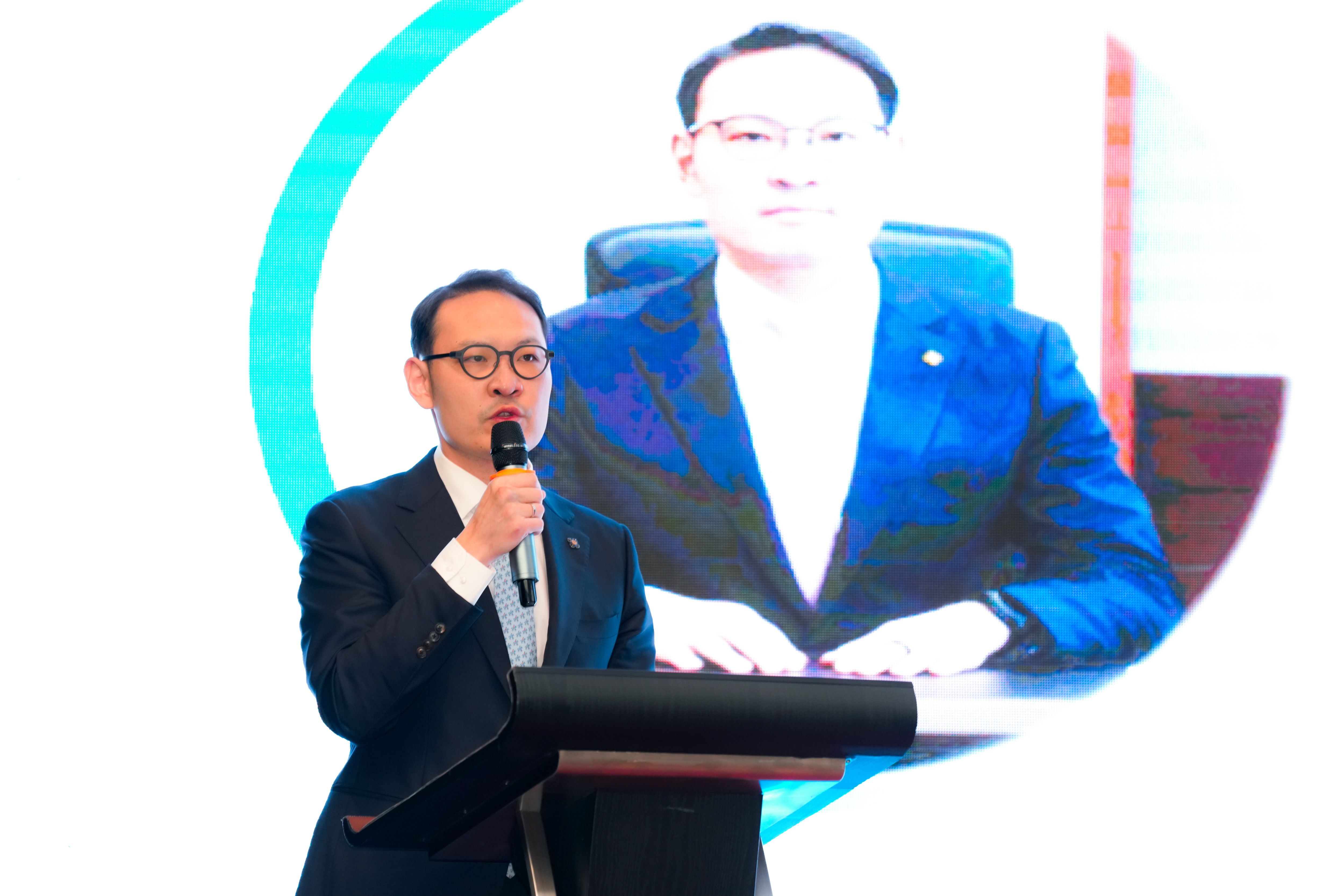 Minister of Health Batshugar Enkhbayar highlighted the importance of transitioning to clean household energy. Photo credit: Ministry of Health
Mongolia is building on important progress, including the 2019 ban on raw coal use by households in Ulaanbaatar, the expansion of electric and liquefied petroleum gas (LPG) heating, improvements in housing insulation and ger-area redevelopment. Other initiatives include the 100,000 Solar Ger Programme, the 3x100 Clean Energy Initiative and Mongolia's NDC 3.0 commitment.
The Government aims to reduce air pollution by approximately 30% in 2025–2026 and completely phase out solid fuel use in Ulaanbaatar by 2040. Its measures include establishing smoke-free zones in major urban centres, reducing raw coal use, and transitioning to gas and other clean energy sources. These efforts are being implemented in phases, including the transition of households, businesses, and public facilities, particularly schools and kindergartens, to electric and gas heating solutions, alongside the reorganization of heating boiler facilities.
Minister of Environment and Climate Change Sandag-Ochir Tsend said: “Reducing air pollution requires more than changing fuels or reducing the number of chimneys. It calls for a comprehensive, multisectoral approach that integrates air pollution reduction into urban planning, energy, infrastructure, transport, and building insulation policies.”
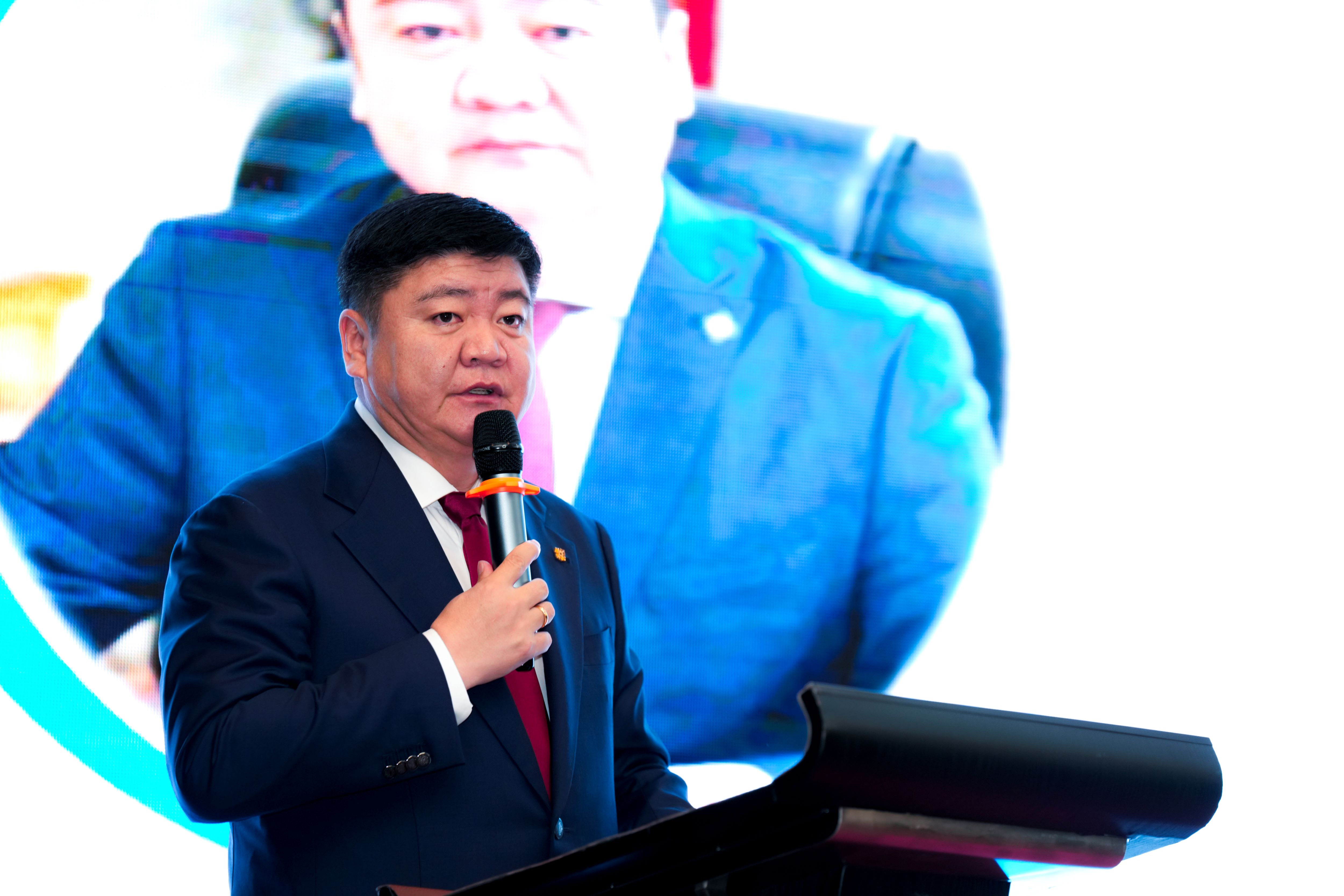 Minister of Environment and Climate Change Sandag-Ochir Tsend spoke about measures to reduce air pollution and accelerate the transition to cleaner fuels. Photo credit: Ministry of Health
Together, these efforts provide a strong foundation for an integrated transition that combines clean household energy, energy-efficient housing, enabling infrastructure, sustainable financing, and appropriate social protection.
Ulaanbaatar is also advancing practical measures to reduce household emissions and expand access to cleaner energy in ger areas. Governor of the Capital City and Mayor of Ulaanbaatar Purevdagva Byaruuzana highlighted several initiatives being implemented in partnership with development partners. These include a planned 2.4 MW solar power plant with battery energy storage, to be established in partnership with UNDP to support clean energy supply in ger areas. To date, 5,000 households in areas with high levels of air pollution have transitioned to LPG heating, while 408 households have been connected to solar energy. In addition, thirty-one coal-fired boiler facilities have been converted to gas and electric heating.
Under the city's “New Ulaanbaatar” policy, further measures are targeting major sources of air pollution, including emissions from household heating and cooking, coal-fired heat-only boilers, and motor vehicles. In introducing the Call for Action, Governor of the Capital City and Mayor of Ulaanbaatar Purevdagva said: “We must accelerate practical solutions that give households access to cleaner and more reliable energy while reducing the sources of air pollution in our city.”
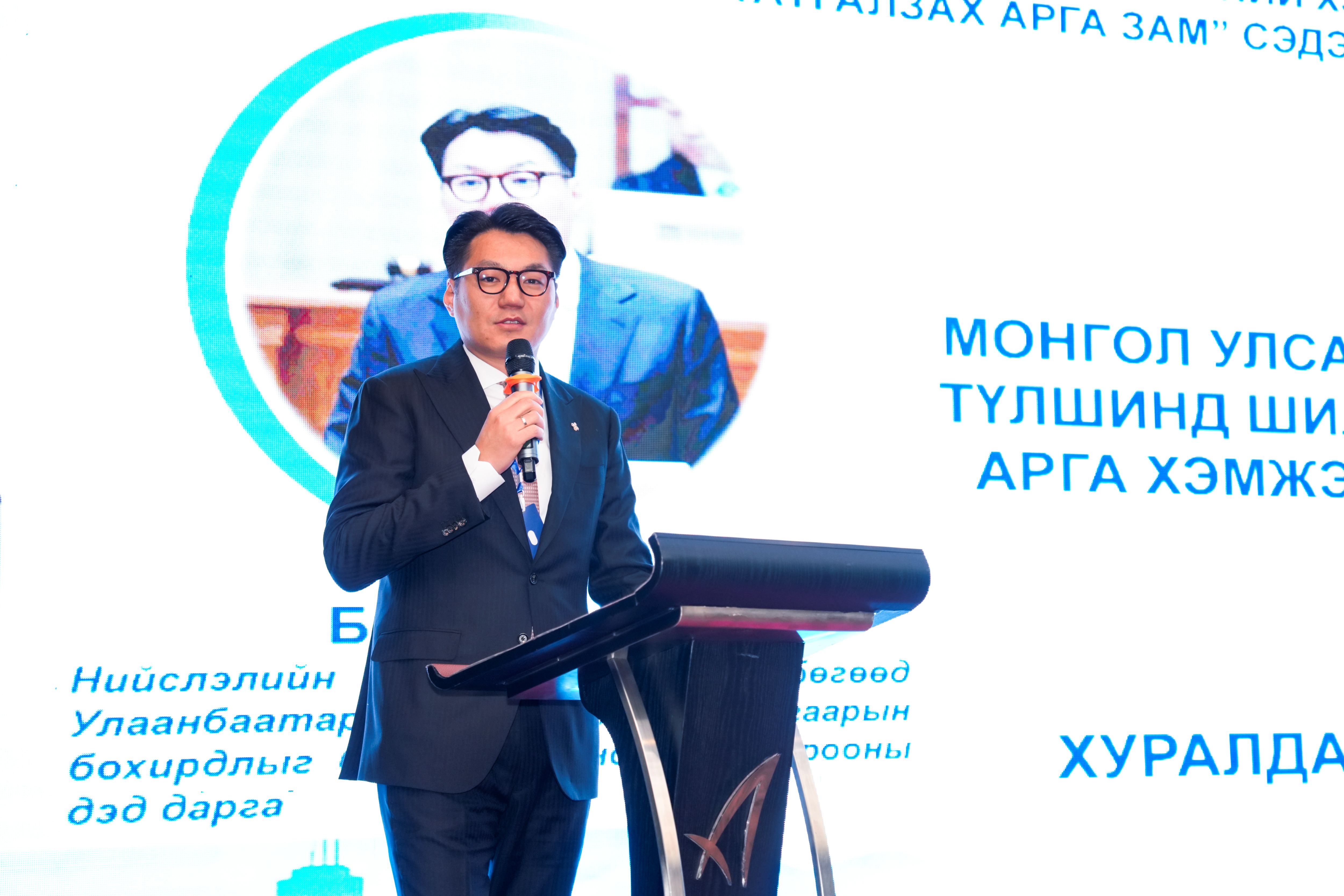 Governor of the Capital City and Mayor of Ulaanbaatar Purevdagva Byaruuzana presented the Call for Action and practical measures to reduce household emissions and expand access to cleaner energy. Photo credit: Ministry of Health
The Forum's Call for Action and the proposed Roadmap provide a shared national direction for a healthier future, emphasizing evidence-informed action, integrated and locally appropriate solutions, affordability, and a just transition.
Dr Socorro Escalante, WHO Representative to Mongolia, said: “Mongolia’s transition to clean household energy is a public health imperative that calls for action now. Air pollution represents a prolonged, and devastating emergency. It demands an urgent, sustained, and accelerated response.”
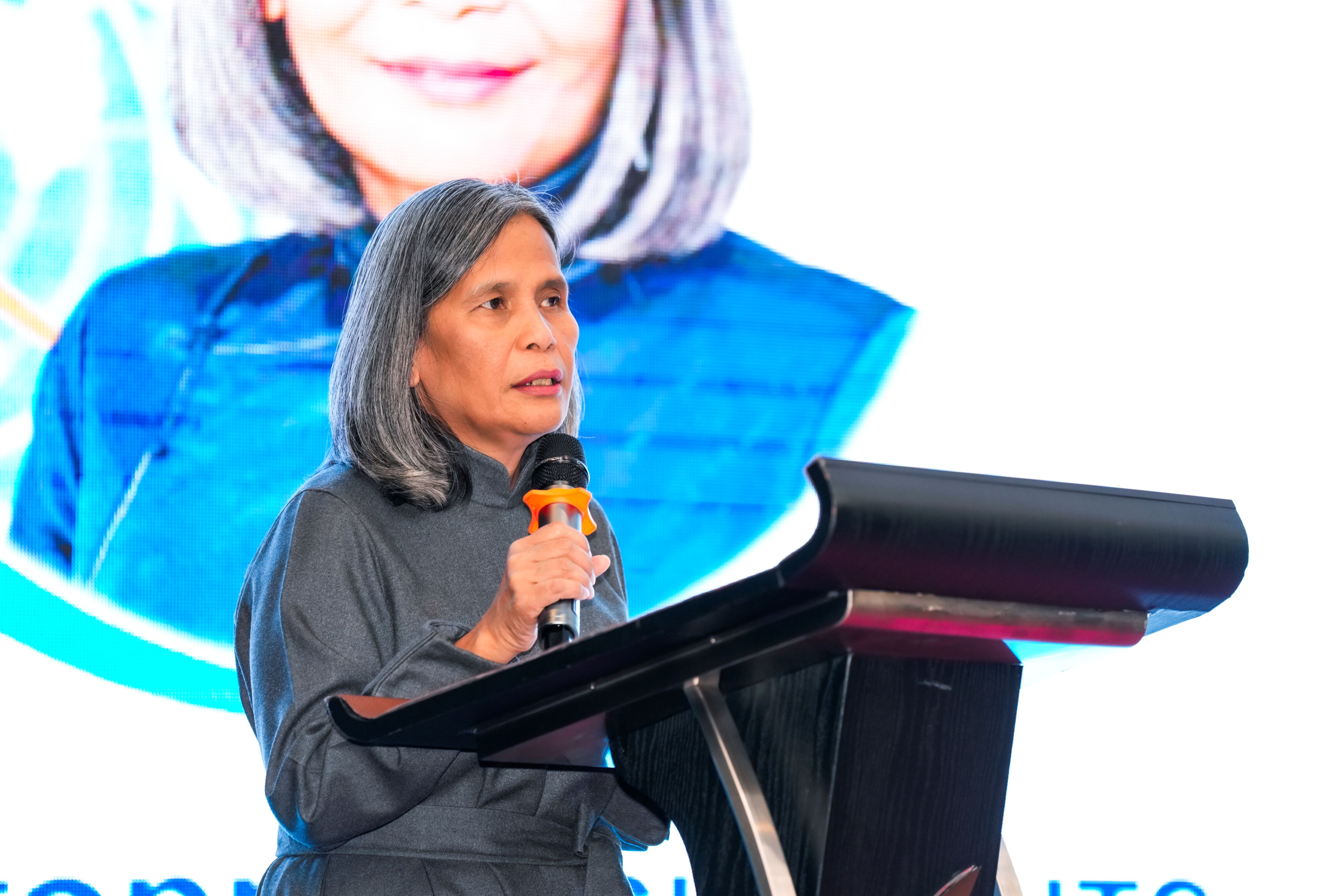 Dr Socorro Escalante, WHO Representative to Mongolia, highlighted clean household energy as a public health imperative. Photo credit: Ministry of Health
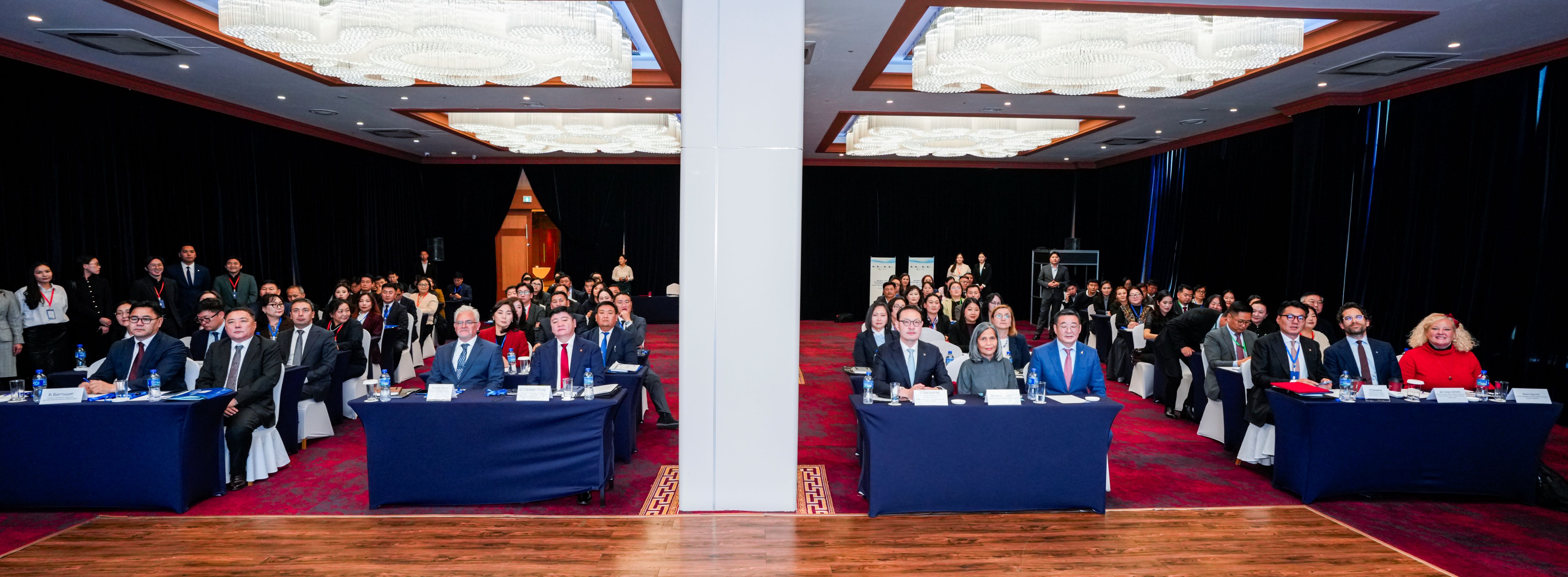 Participants at the National Forum on a Stepwise Approach to Phasing Out Household Coal Use, held in Ulaanbaatar on 3-4 November 2026. Photo credit: Ministry of Health