
Health emergencies
Keeping the world safe and protecting the vulnerable are the top priorities of WHO’s Health Emergencies Programme.
We work with countries and partners worldwide, around the clock, to prepare for, prevent, detect and respond to outbreaks and other health emergencies. We strengthen essential public health and health system capacities for all hazards – including infectious diseases, chemical and radionuclear events, food safety threats and climate‑related emergencies.
When crises exceed national capacity, we coordinate rapid response and help maintain life‑saving health services, including in humanitarian and conflict settings.
Our support focuses on building strong national public health institutions, health emergency preparedness, response and resilience capabilities and resilient health systems. Guided by the International Health Regulations (2005) and the Pandemic Agreement, we bring together scientific, technical and operational partners, leveraging global centres of excellence and innovative financing mechanisms.
How we protect people from emergencies

Laboratory technicians working at the mpox laboratory in Bukavu, the Democratic Republic of the Congo.
Detect outbreaks early and stop them at their source
We work with countries to strengthen their surveillance systems, national public health agencies and laboratories so they can detect health threats quickly and act early. By supporting core epidemic‑intelligence capabilities – data analysis, community‑level detection, digital tools and pathogen genomics – we help governments generate timely, reliable insight for decision‑making. When outbreaks escalate beyond national capacity, WHO can deploy operational support to help contain them at their source.

WHO's operations in response to the conflict in Gaza that began in 2023 have included the evacuation of individuals requiring urgent medical care.
Deliver life-saving support to those most in need
In crises where health systems are disrupted or national capacities are overwhelmed, we support ministries of health and local responders to maintain essential services. We coordinate emergency operations with national and regional partners to sustain trauma care, maternal and newborn health, vaccinations and primary care. When access is severely limited, we can act as provider of last resort to ensure that affected communities continue to receive life saving care.
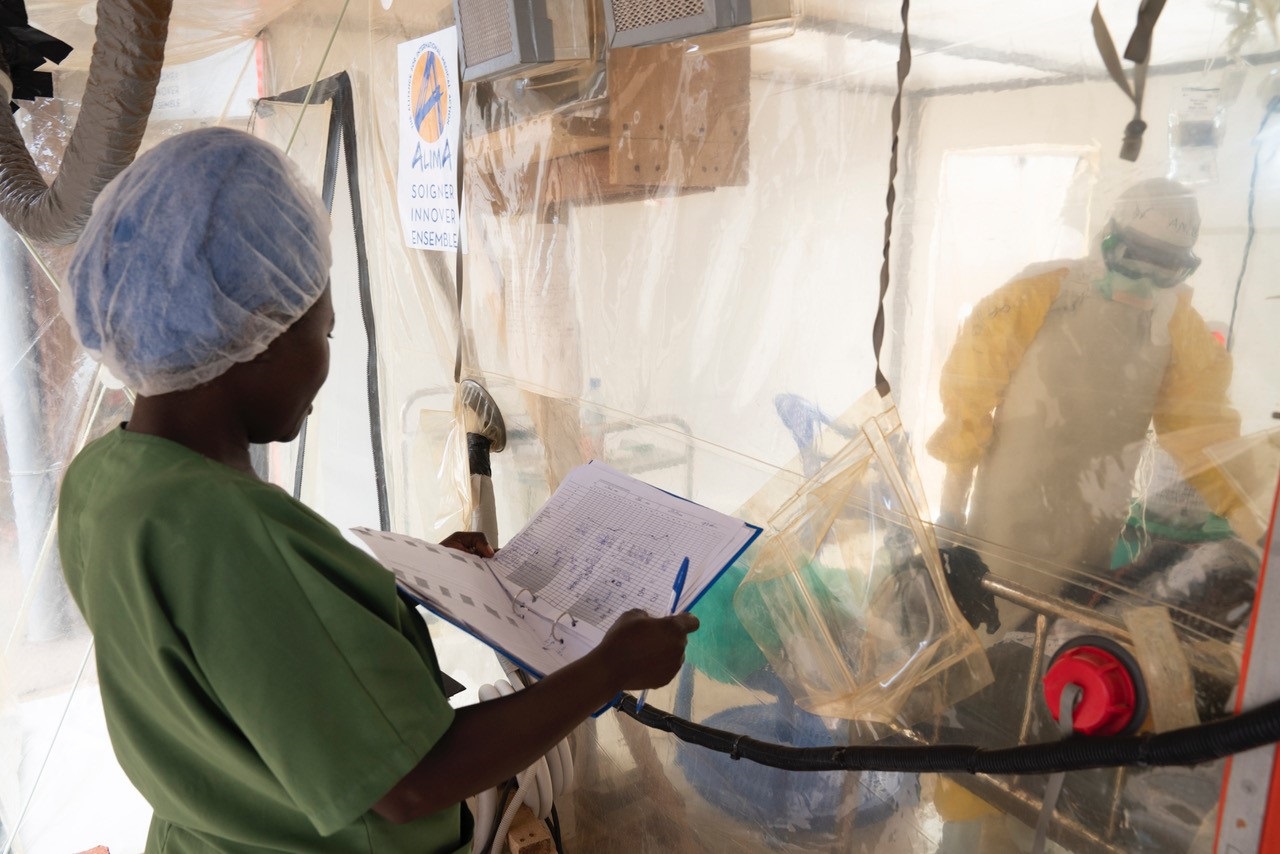
Health workers inside a "CUBE" talk to an Ebola patient. ALIMA Ebola Treatment Centre, Beni, Democratic Republic of the Congo. The CUBE, or Biosecure Emergency Care Unit for Oubtreaks is a self-contained system for outbreaks of highly-infectious disease.
Support countries to prepare for public health emergencies
We help countries lead their own preparedness by strengthening national public health agencies, developing core capabilities required for health emergency preparedness, response and resilience, and supporting governance and multisectoral coordination. This includes national planning, simulation exercises, community centred approaches and sustainable financing. Our goal is to build resilient health systems able to prevent, detect and respond to emergencies with minimal external support.

On 18 November 2023, a joint UN humanitarian assessment team, led by WHO, accessed Al-Shifa Hospital in northern Gaza. The team included public health experts, logistics officers, and security staff from OCHA, UNDSS, UNMAS/UNOPS, UNRWA and WHO.
Build partnerships and networks for collective action and innovation
We convene national and regional public health agencies, scientific networks, research institutions and operational partners to share data, strengthen workforce capabilities and expand equitable access to medicines, vaccines and equipment used to keep people safe. By connecting local, national, regional and global expertise, we reinforce country leadership while enabling coordinated action when crises cross borders or exceed national capacity.

The conclusion of discussions on the Pandemic Agreement in Committee at the World Health Assembly 2025.
Strengthen multilateral action through agreements and innovative financing
We support Member States in shaping global agreements and financing mechanisms that reinforce national preparedness and empower countries to lead their response efforts. Through tools such as the Pandemic Agreement, the updated International Health Regulations and the Pandemic Fund, countries can strengthen surveillance, laboratory systems, emergency operations and other health emergency preparedness, response and resilience-aligned capabilities. These multilateral instruments promote equity, shared responsibility and long term resilience.
Featured health emergency activities
- Independent Oversight and Advisory Committee for the WHO Health Emergencies Programme
- Emerging Diseases Clinical Assessment and Response Network (EDCARN)
- Public Health Emergency Operations Centre Network (EOC-NET)
- Public Health Emergency Preparedness and Response Ethics Network (PHEPREN)
- Radiation Emergency Medical Preparedness and Assistance Network (REMPAN)
- Technical Advisory Group on Simulation Exercises
- COVID-19 IHR Emergency Committee
- Ebola Virus Disease in the Democratic Republic of the Congo (Equateur) IHR Emergency Committee
- Ebola Virus Disease in the Democratic Republic of the Congo (Kivu and Ituri) IHR Emergency Committee
- Ebola Virus Disease in West Africa (2014-2015) IHR Emergency Committee
- H1N1 IHR Emergency Committee
- MERS-CoV IHR Emergency Committee
- Poliovirus IHR Emergency Committee
- Yellow fever IHR Emergency Committee
- Zika Virus IHR Emergency Committee
- Epidemic Intelligence from Open Sources (EIOS)
- Global Emergency and Trauma Care Initiative (GETI)
- Global Influenza Surveillance and Response System (GISRS)
- Global Laboratory Leadership Programme (GLLP)
- Health Resources and Services Availability Monitoring System (HeRAMS)
- WHO Hub for Pandemic and Epidemic Intelligence
