Our work in North Macedonia

Our work in North Macedonia

WHO
© Credits

Our work

WHO is collaborating with North Macedonia to ensure everyone can lead healthy and active lives regardless of age, gender, education or location. The goal is to strengthen public health by fostering policies that promote well-being and equitable access to health-care services.

North Macedonia faces significant health challenges, including high rates of preventable diseases linked to tobacco use, air pollution and lifestyle factors. Noncommunicable diseases such as cardiovascular conditions and cancers remain leading causes of mortality, while disparities in health-care access persist, particularly between urban and rural areas.

Progress in health outcomes has been hindered by issues such as smoking, physical inactivity and gaps in health-care infrastructure. The migration of health-care professionals and uneven resource distribution further strain the system.

To address these challenges, together with the Ministry of Health of North Macedonia, WHO has identified priority areas for action to guide collaboration from 2024 to 2030. The Country Cooperation Strategy (CCS) outlines long-term goals, while biennial agreements detail WHO’s support, including on tobacco control, health emergency preparedness, digital health advancements and immunization programmes.

Efforts also focus on mental health, primary health-care reform and climate-resilient health policies. By aligning with global best practices, we aim to build a more robust and inclusive health-care system for North Macedonia’s future.
Strategic priorities for North Macedonia

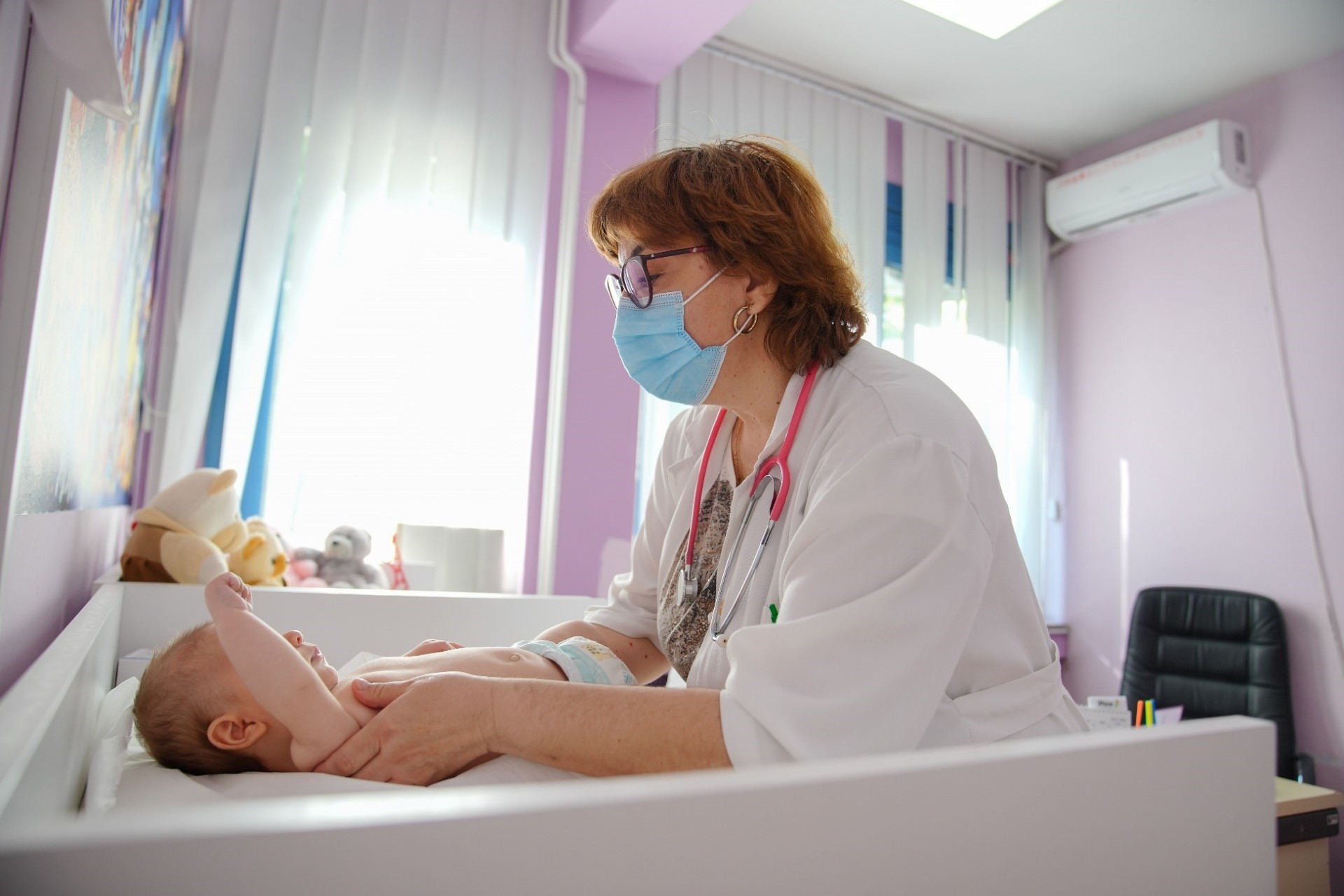
A healthcare worker checks an infant’s health in a clinic

Transforming health for future generations through effective partnerships

WHO is advancing multigenerational health in North Macedonia through partnerships with United Nations agencies, donors, the Government and other organizations. Work focuses on 4 priorities: immunization, sexual and reproductive health, climate change and health, and health literacy.

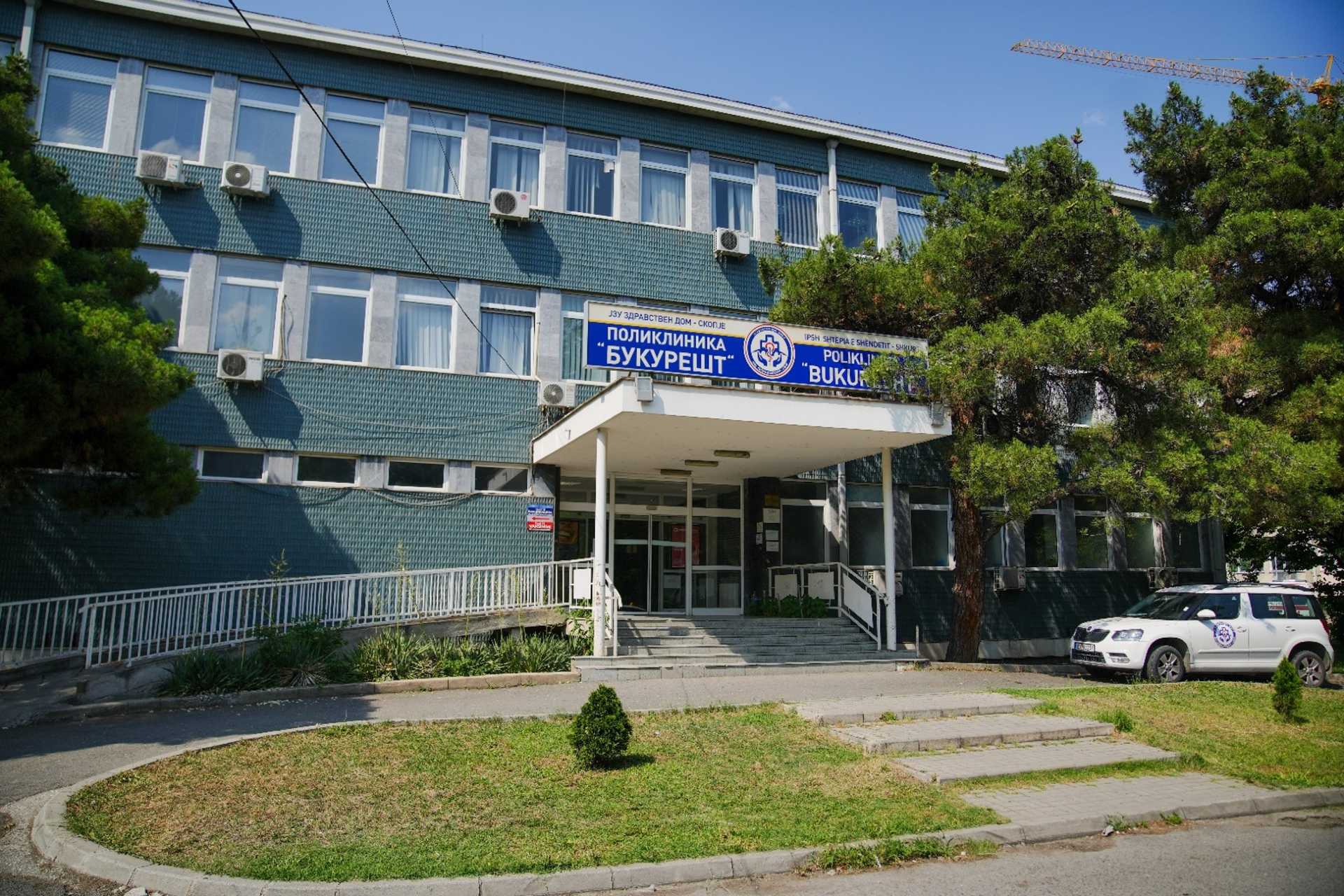
Exterior of a public health clinic

Accelerating critical health sector reforms to build community trust

To strengthen community trust and meet national health priorities, WHO supports reforms in service quality, efficiency and inclusiveness.

Back view of two individuals walking side by side in a clinic corridor

Leaving no one behind

Equity is central to WHO’s mission in North Macedonia, which supports both global health goals and European Union accession requirements on human rights and minority protection. WHO focuses on eliminating violence against women and girls, promoting healthy ageing, and preventing injuries.

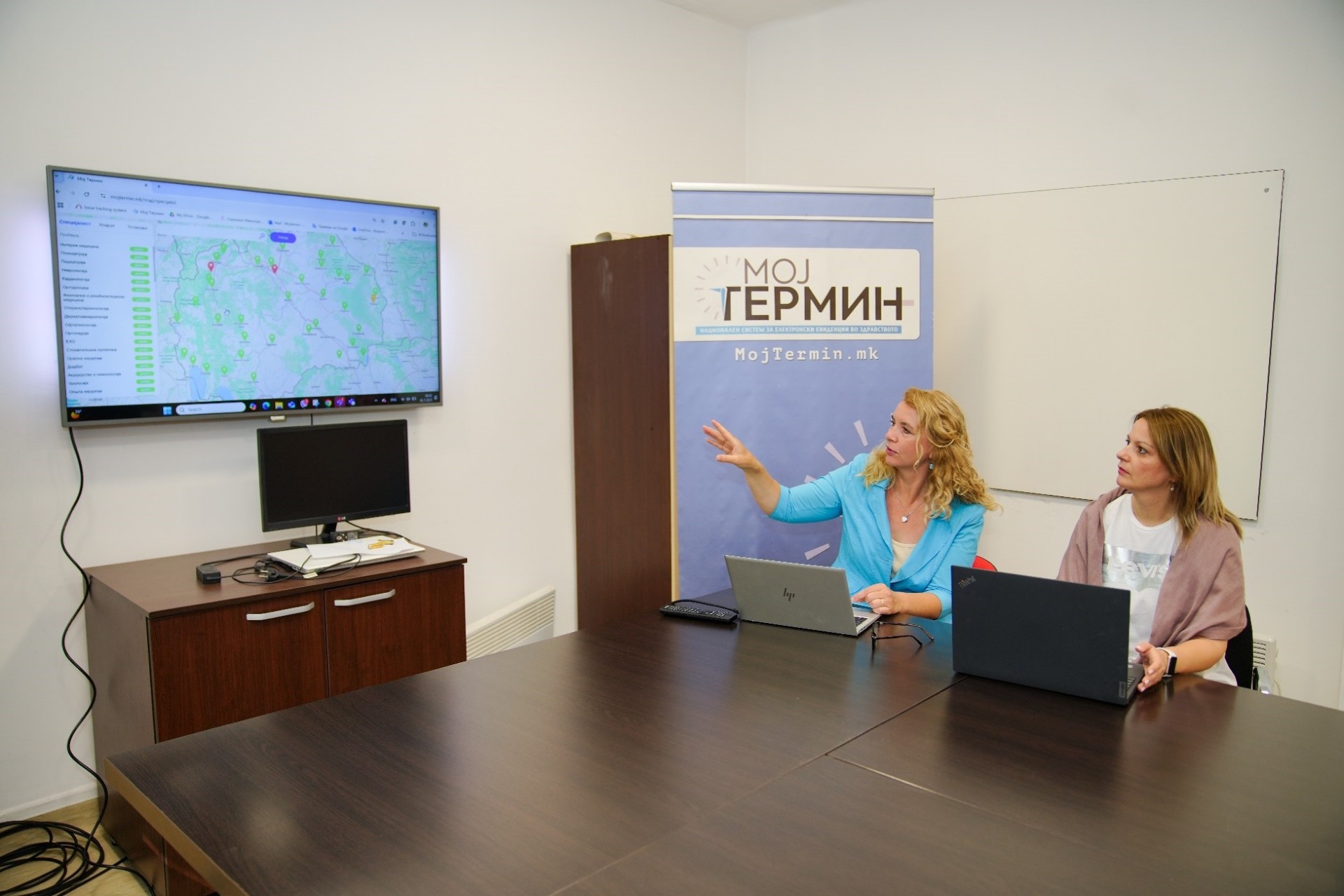
Two individuals discuss data on a digital map projected on a screen

Strengthening institutional capability

Aligned with Sustainable Development Goal 16 and European Union accession criteria, WHO supports North Macedonia in strengthening the Ministry of Health’s capacity and accountability for more efficient health system operations in the areas of health security, human resources for health and health-care financing.

News from the WHO North Macedonia Office

House highlights (latest event updates)

All →

Publications and information documents

Global Laboratory Leadership Programme for the Balkan subregion: meeting report: 12–13 June 2024, Bled, Slovenia

Effective and sustainable laboratory services are important components of robust health systems. They adhere to international quality and safety standards...

Risk communication, community engagement and infodemic management planning workshop for a post-pandemic Western Balkans subregion: 29–30 June 2023, Herceg Novi, Montenegro: meeting report

This report details the third risk communication, community engagement, and infodemic management (‎RCCE-IM)‎ School, which was held in Montenegro....


Second European Programme of Work 2026–2030 (EPW2)

Second European Programme of Work 2026–2030 (EPW2)

The Second European Programme of Work (EPW2) is a five-year strategic framework (2026-2030) agreed by all Member States in the European Region to guide collective action towards a shared vision that all people live healthier, longer lives, with health safeguarded as a universal commitment. It builds on the first European Programme of Work, 2020–2025, and contributes to global health initiatives, including WHO’s Fourteenth General Programme of Work and the Sustainable Development Goals.

Our work in the Region

The Small Countries Initiative was established in 2013 at an informal meeting held during the 63rd session of the WHO Regional Committee for Europe in Çeşme Izmir, Türkiye. The Initiative has since grown into a network of 12 Member States in the WHO European Region with populations of 2 million or less.

For over a decade, SEEHN has been the undisputed vehicle of health development in the areas of mental health, communicable diseases, food safety and nutrition, blood safety, tobacco control, information systems, maternal and neonatal health, public health services and health systems.