WHO recommends a combination prevention approach, tailored to the population and reflecting the epidemiology of the setting.
Combination prevention programmes are rights-based, evidence-informed, and community owned programmes that use a mix of biomedical, behavioural, and structural interventions, prioritized to meet the HIV prevention needs of individuals and communities, to have the greatest sustained impact on reducing new infections.
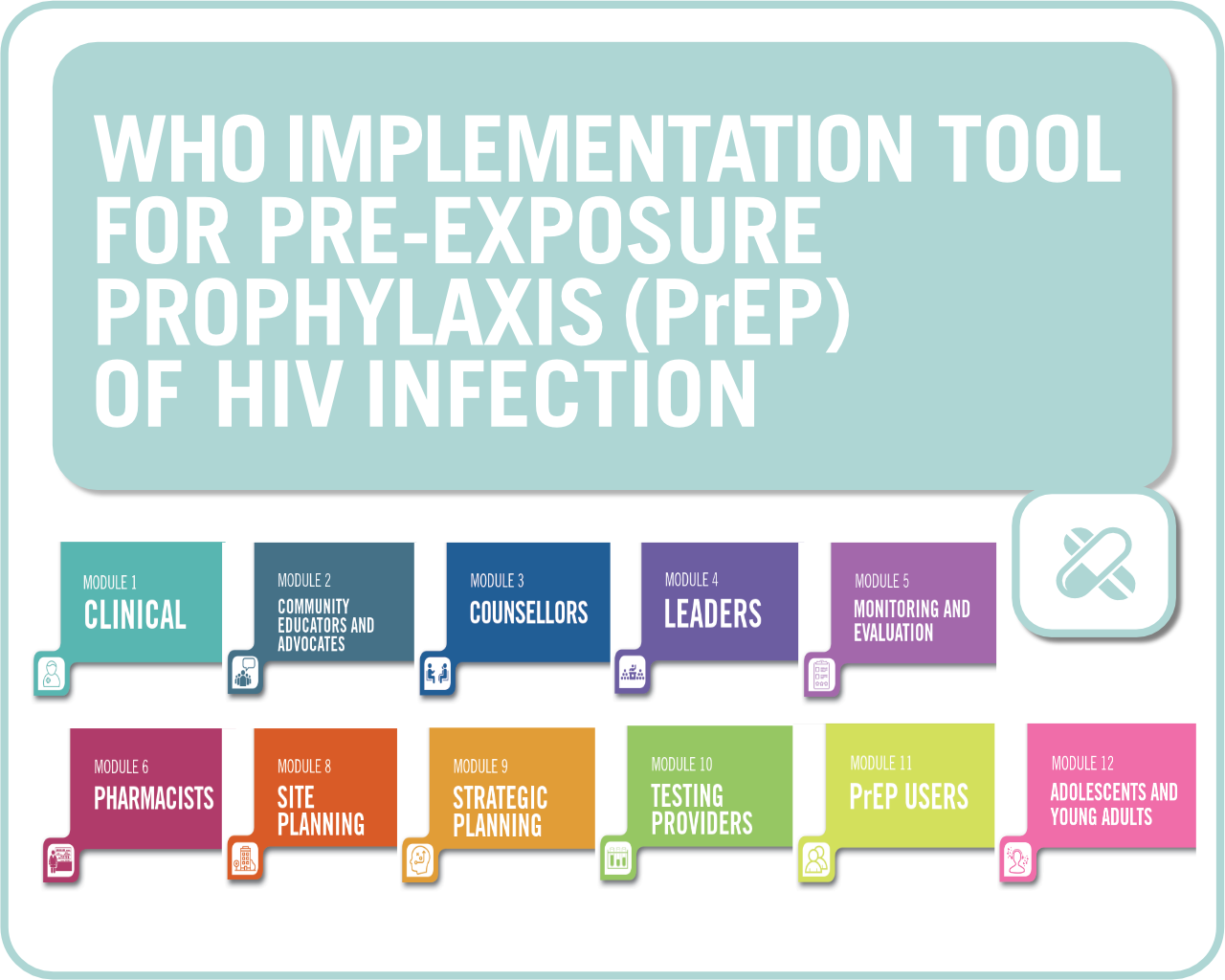
WHO supports the appropriate integration of hepatitis and sexually transmitted infection prevention, testing and treatment and the inclusion of services which address the sexual and reproductive health and mental health issues, that are also critical to acceptable and effective programming. This site organizes WHO guidance and resources by the five preventions pillar – which include condoms, pre-exposure prophylaxis (PrEP) and voluntary medical male circumcision (VMMC).