/59748.tmb-300v.png?sfvrsn=9885965b_2 "For the future - publication thumbnail")


Partnerships
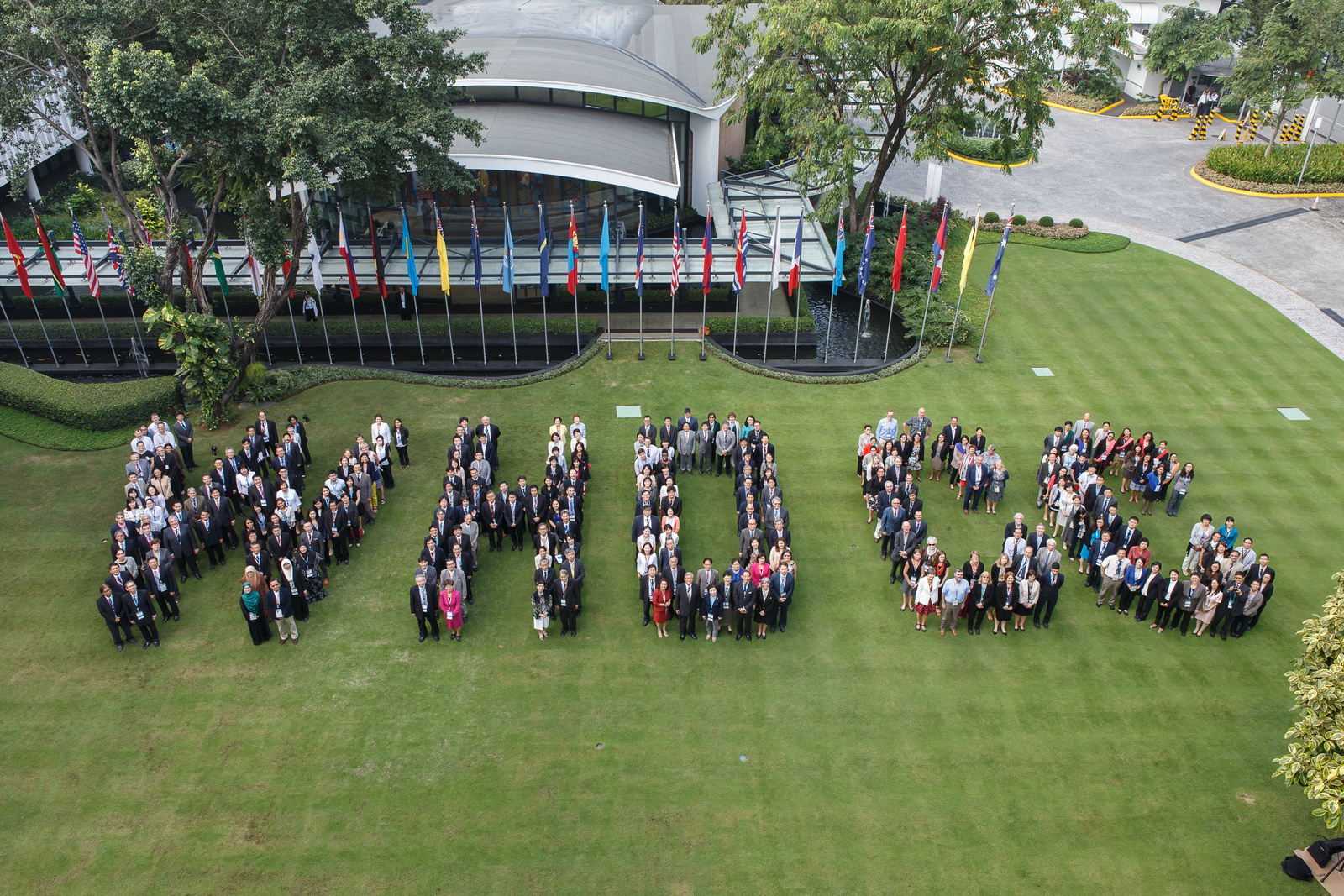
On 5 April 2024, members of the Philippine diplomatic corps, representatives of the United Nations, other key partners, and the WHO workforce, gathered in the Regional Office for a high-level event to mark World Health Day 2024.
Weaving health for all, together
Partnerships are central to WHO’s work in the Western Pacific Region and globally. By weaving together our knowledge, resources and actions, WHO and our partners work collectively to improve the health and well-being of over 2.2 billion people living in our Region.
WHO’s partners include governments, civil society, research and academic institutions, the private sector, philanthropic organizations, and individuals who share WHO’s commitment to achieving Health for All. These partnerships support countries to strengthen health systems through common platforms for coordination, technical and financial support, and access to evidence-based information. Our partnerships are built on trust, transparency and shared results, reflecting WHO’s role as a neutral convener and technical leader for health in the Western Pacific Region and around the world.
/countries/fiji/galoa-nursing-station---fiji---faizza.tmb-1920v.jpg?sfvrsn=238e42b4_1)
Why we collaborate
Today’s health challenges are increasingly complex and interconnected, ranging from communicable and noncommunicable diseases to pandemics, climate change, rapidly ageing populations, and rising mis- and disinformation. No single actor can address these alone.
WHO collaborates to:- support countries to strengthen health systems and shape effective policies;
- enhance preparedness and emergency response;
- mobilize expertise, innovation and funding for priority health programmes;
- accelerate progress towards universal health coverage; and
- ensure that investments lead to real, measurable health impact.
All engagements with non-state actors follow WHO’s Framework for Engagement with Non-State Actors (FENSA), which safeguards WHO’s independence, integrity and public health mandate.
Who we work with
WHO works with a diverse network of partners, each bringing with them unique strengths to addressing regional health priorities.
/campaigns/whocc-forum/fourth-session-of-the-meeting-of-the-parties.jpg?sfvrsn=ce92a338_1)
Member States and policymakers
WHO works closely with ministries of health and other government entities, providing technical guidance, policy support and coordination to accelerate progress on national health priorities.
/campaigns/whocc-forum/76th-session-of-the-who-regional-committee.jpg?sfvrsn=8ff1e1_1)
Non-State Actors
WHO collaborates with civil society organizations, nongovernmental organizations, academic and research institutions, private sector entities, philanthropic organizations, and community and youth organizations. These partners contribute expertise, innovation, people-focused approaches and networks that strengthen public health outcomes. Engagement with non-State actors follows WHO’s FENSA principles, ensuring transparency and preventing conflicts of interest.
/campaigns/whocc-forum/154th-session-of-the-who-executive-board.jpg?sfvrsn=d979a0ca_1)
United Nations and multilateral organizations
As the United Nations agency dedicated to global health, WHO works to harness regional knowledge and resources with other United Nations agencies and multilateral partners — such as intergovernmental organizations and multilateral banks — to help Member States improve health for all.
WHO Collaborating Centres
WHO collaborating centres — which range from research laboratories to policy think tanks — together form a network of institutions that provide technical expertise to support WHO’s mission. They extend WHO’s capacity to deliver evidence-based policies, research and innovation in wide-ranging technical areas of work.
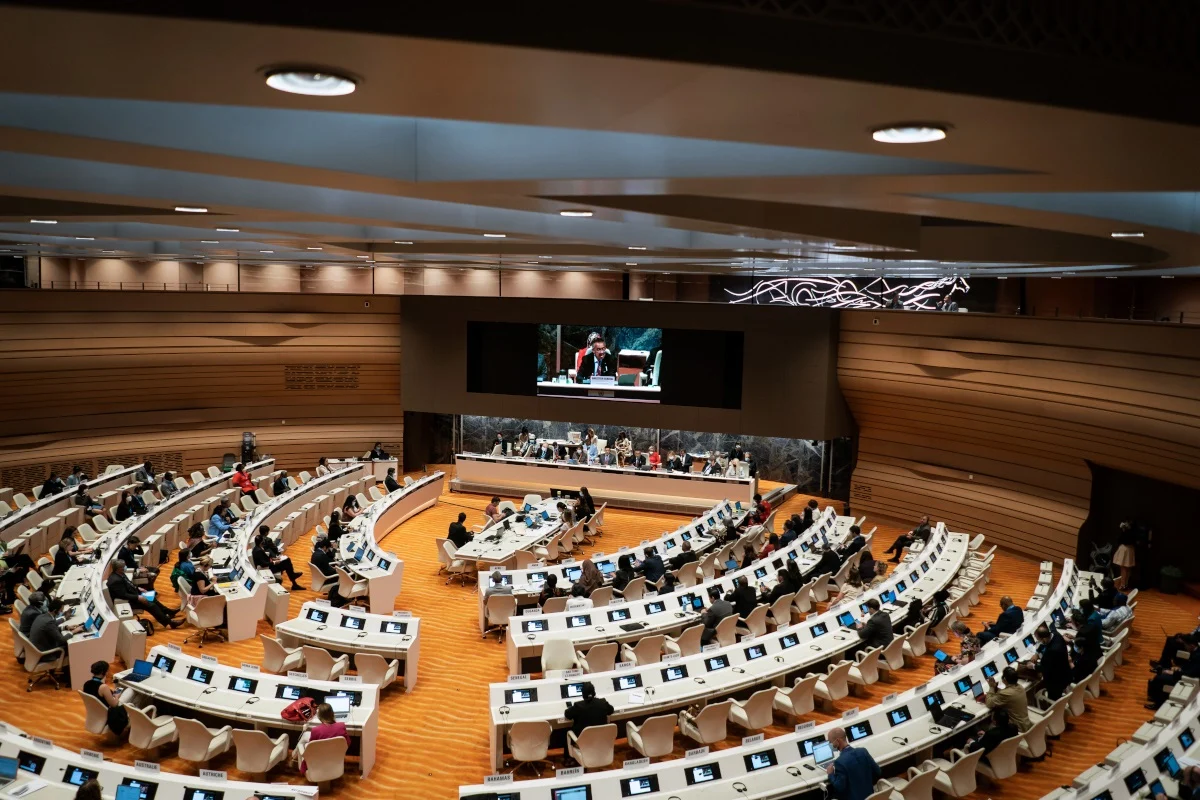
Seventy-fifth World Health Assembly, Geneva, Switzerland, 22-28 May 2022. © WHO/ Laurent Cipriani
How WHO is funded
WHO receives its funding from two main sources: assessed contributions (or “membership dues”) from Member States; and voluntary contributions from Member States and other partners. Learn more about WHO’s funding.
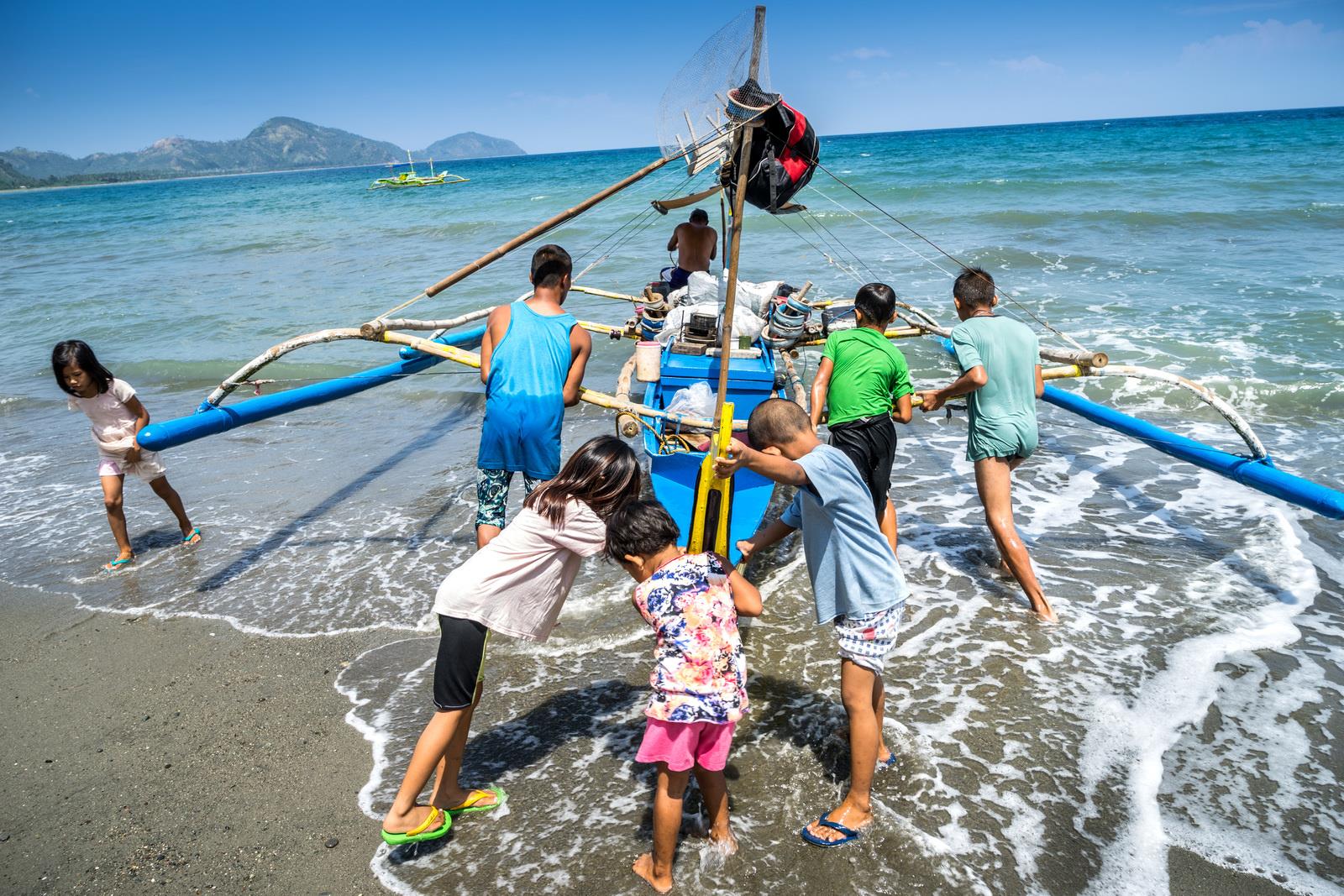
In the Western Pacific, a large percentage of voluntary contributions is dedicated to activities. These funds therefore play a critical role in financing health programmes that directly improve health and save lives across the Region. The top voluntary contributors include governments, foundations, private sector entities and other development partners, such as intergovernmental organizations and other United Nations agencies; but everyone can be a health partner. Individuals and various entities can support WHO’s work through the WHO Foundation, helping to strengthen health systems, respond to emergencies and build healthier futures in the Western Pacific.
Engage with WHO WPRO
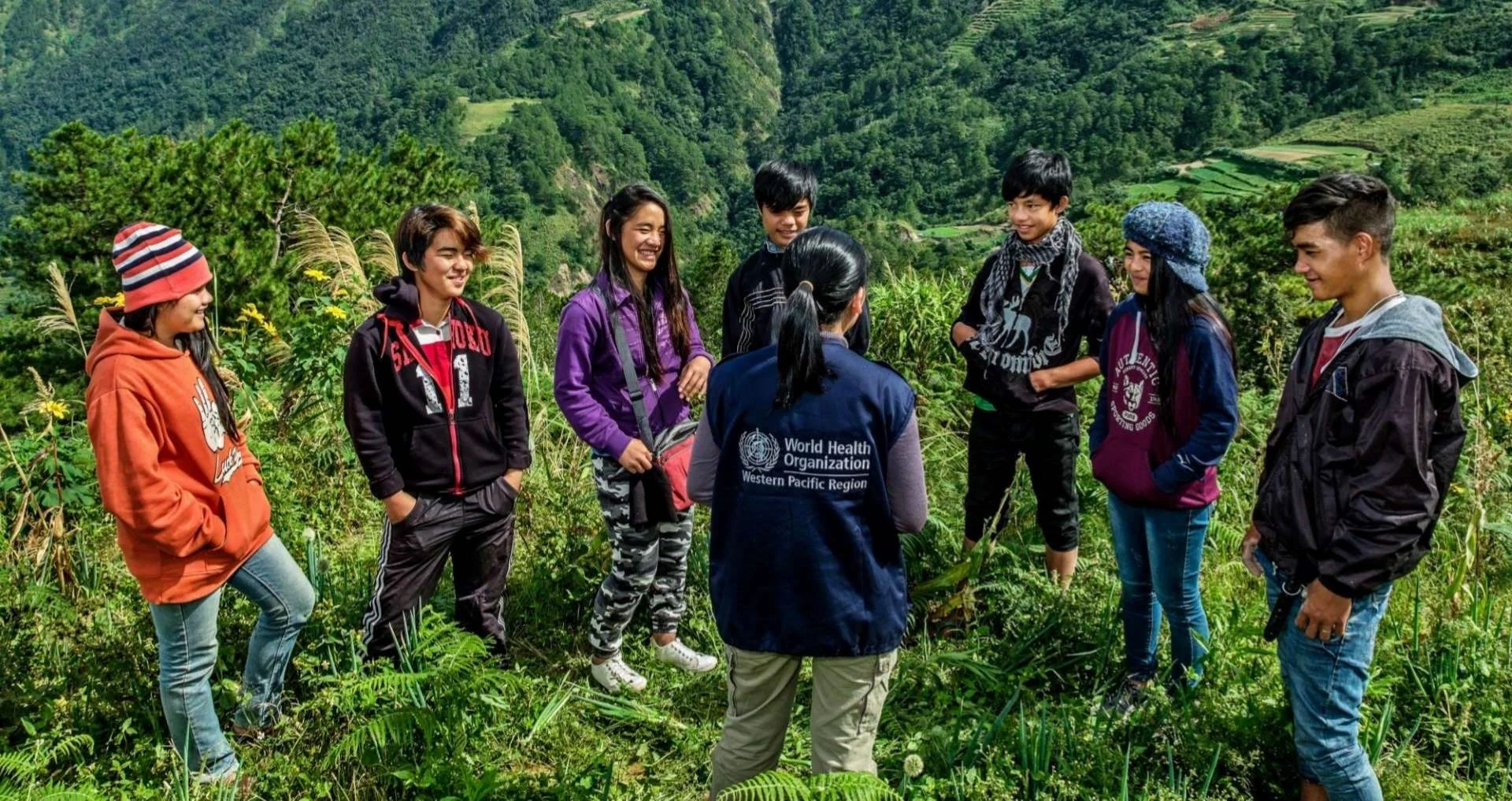
WHO welcomes collaboration that strengthens health and well-being across the Western Pacific Region, including for the most vulnerable populations.
Ways to partner with us:- Collaborate on regional health initiatives
- View our campaigns and events page.
- Fund health programmes in the region through the WHO Foundation.
- Share stories, evidence, or lived experiences to help shape policy and programmes
- Get accredited to be invited to participate in an observing capacity (without the right to vote) in public meetings of Regional Committee sessions, with the possibility of the opportunity to submit written and/or oral statements. Learn more about accreditation prcodedure.
- Follow us on social media to stay up to date on ways to engage and share health initiatives, experiences and evidence.
For partnership inquiries, please contact:
Email: wprpartnerships@who.int
If you are an institution or organization interested in making a financial contribution to the work of WHO, please contact us at the email above.
For individual donations, please visit the WHO Foundation.
Featured Partner Stories
All →
Key Documents
Weaving health for families, communities and societies in the Western Pacific Region (2025-2029): working...
This document sets out thematic priorities for WHO's work in the Western Pacific Region for the next five years to improve health and well-being, and save...
All for Health, Health for All: investment case 2025–2028
All for Health, Health for All is WHO’s third investment case and has been produced alongside the Fourteenth General Programme of Work (GPW 14) to...